
Civil Society Brunch: Hateful Rhetoric Breeds Hateful Voters: The Effects of Negative Campaigning on Partisan Hostility
There is now ample evidence documenting the growth of affective polarization: voters habitually treat their political opponents as a stigmatized out-group. The phenomenon manifests itself in the form of unfavorable evaluations of the opposition party and its leaders, aversion to social contact with partisans from the other side, and in indicators of implicit or sub-conscious prejudice. Most tellingly, partisans willingly discriminate against their opponents in a variety of behavioral settings. In this talk, Shanto Iyengar reports new research showing that increased partisan animus is attributable, in part, to the changing tone of campaign rhetoric. This analysis indicates that exposure to negative, but not positive, advertising explains a significant part of the recent increase in out-party animus. These findings point to incentives shaping elite behavior, rather than the predispositions of voters, as the most promising target for efforts to reduce polarization.
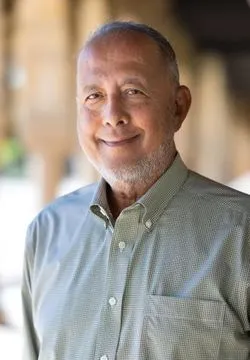
Shanto Iyengar is William Robertson Coe Professor of American Studies and Professor of Political Science at Stanford University. His areas of expertise include the role of mass media in democratic societies, public opinion, and political psychology. He is the author of Media Politics: A Citizen’s Guide, now in its fifth edition (W.W. Norton, 2022) and (with Stephen Ansolabehere) Going Negative: How Political Advertisements Shrink and Polarize the Electorate (Free Press, 1995), among many other books and journal articles.
All are welcome for this free event, but registration is requested using the RSVP link below.
The Civil Society Brunch series provides audiences with access to the latest research on democracy, politics, polarization, and related topics.
This event is organized by the Civil Society Initiative and sponsored by the Frick Initiatives.